The Beauty of Stars
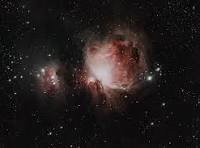
Stars are giant balls of gas that produce light and heat through nuclear fusion. They come in different sizes, colors, and temperatures. Some stars live for billions of years, while others burn out quickly. When stars die, they can create beautiful phenomena like supernovae or neutron stars. Observing stars helps
Space Exploration and Technology
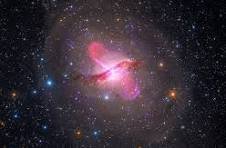
Space exploration has led to many technological advancements. Satellites help us with communication, weather forecasting, and navigation. Missions to Mars and beyond aim to understand planetary environments and search for signs of life. Organizations like NASA and private companies continue to push the boundaries of human knowledge and innovation.
The Expansion of the Universe
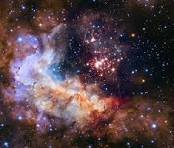
The universe has been expanding since the Big Bang, which occurred about 13.8 billion years ago. Galaxies are moving away from each other, and the farther they are, the faster they appear to move. This discovery changed our understanding of the cosmos. Scientists are still studying dark energy, a mysterious
The Importance of the Moon
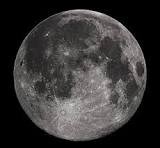
The Moon plays a crucial role in stabilizing Earth’s climate and controlling ocean tides. It formed about 4.5 billion years ago, likely after a massive collision between Earth and another object. The Moon has also been essential for scientific exploration, especially during the Apollo missions. Today, many countries plan to
Life on Other Planets
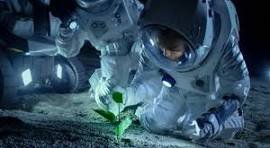
One of the biggest questions in science is whether life exists beyond Earth. Scientists search for life by studying planets in the “habitable zone,” where conditions may allow liquid water to exist. Mars, Europa (a moon of Jupiter), and exoplanets in distant solar systems are key targets. While no confirmed
The Mystery of Black Holes
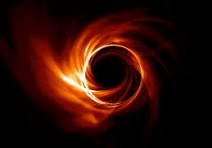
Black holes are among the most fascinating objects in space. They are regions where gravity is so strong that nothing—not even light—can escape. Scientists believe black holes form when massive stars collapse at the end of their life cycles. Despite being invisible, their presence can be detected by observing how